Resources
Free guides for teachers who care about their craft
Practical articles for Sunday school teachers, youth leaders, small group facilitators, and anyone building curriculum for a group they love.
The Volunteer Who Quit Over a Binder
Churches budget for the curriculum artifact and ignore the expensive part: the translation between what a lesson assumes and what's actually in the room. That invisible adaptation work falls on volunteers, and it's quietly driving them out.
The Review Nobody Builds Into a Lesson, and Why It's Costing You the Whole Thing
Most of what students learn on Sunday is gone by Thursday because almost no lesson is built around retention. The fix isn't more engaging content. It's deliberate retrieval practice, and almost nobody uses it.
The Volunteer Binder Nobody Opens
Most ministry leaders onboard volunteers by handing them a giant reference binder on day one, the worst possible time to hand anyone anything. The real retention problem isn't the cost of curriculum. It's the prep burden you're silently transferring onto people who said yes to loving kids, not to doing homework.
The Men's Group That Wouldn't Talk Back
Most men's studies don't die because the men won't open up. They die because the questions have no edges. Here's what changed when one leader stopped asking feelings questions and started asking what the text would cost.
Nobody Budgets for the Adult Classroom, and It Shows
Churches pour budget and planning into the kids' wing and hand the adult classroom a folding table and a workbook from 2019. That imbalance is quietly expensive, and the quiet in those adult classes isn't health. It's a congregation that's learned not to expect much.
VBS Isn't a Teaching Event. It's a Forgetting Event.
VBS is usually built, without anyone meaning to, to be forgotten. A learning design lead breaks down why one dense week violates the two principles memory actually runs on, and the ninety-second fix that costs nothing.
The VBS Volunteer Who Quits in July (and the Spreadsheet That Could Have Saved Her)
A longtime VBS volunteer quit over glue runs, not faith. The real failure point in vacation Bible school isn't the curriculum. It's the handoff between what the box promises and what shows up Monday morning, and one boring document usually fixes it.
The Question That Kills Every Discussion Before It Starts
"What do you think this verse means?" kills more Sunday school discussions than tired kids or bad lessons ever will. The problem isn't your group. It's the question. Here's how to write ones people can actually answer out loud.
The Most Durable Ministry in Your Church Runs on Zero Budget
The ministries with the lowest budgets often have the highest retention, and women's groups are the clearest example. The durable stuff rarely shows up on a line item, which raises an uncomfortable question about what church spending actually buys.
The Review Discussion Nobody Actually Reviews Anything With
The end-of-lesson review block in almost every curriculum does the one thing least likely to help kids remember anything. Here's what cognitive science says about retrieval, why spacing is hard in a ministry setting, and the one free adjustment that actually builds retention.
The Volunteer Who Quits in March Decided to Quit in September
Volunteers don't quit because of the thing that happened the week they quit. The decision gets made months earlier, in the quiet gap between what they asked for and what they got. Here's the operational fix most ministry leaders skip.
The Transition Between Activities Is Where Your Lesson Actually Dies
Good lessons don't fall apart because the content is bad. They fall apart in the unscripted seconds between one activity and the next. Here's why transitions, not content, decide whether your Sunday school lesson survives.
The Most Expensive Line Item in Your Ministry Isn't the Curriculum
Churches obsess over the cost of printed materials while ignoring the resource that actually determines whether a lesson works: a volunteer's prep time. Here's why the most expensive thing in your ministry never shows up on the budget.
The 90-Second Problem Nobody Builds Lessons Around
The most important part of a kids church lesson isn't the activity or the story. It's the three seconds of silence after a real question, and almost every curriculum is designed to eliminate it. Here's the learning science teachers rarely hear.
Your Volunteer Handoff Happens in a Hallway. That's the Problem.
The most valuable thing in your youth ministry isn't the lesson, it's the relational context that lives in one leader's head and walks out the door when they're absent. Here's the two-minute handoff system that protects the kids you can least afford to lose.
The Craft Nobody Finished: Why Your Activities Die at Minute 12
Most Sunday school activities have a solid floor and no ceiling, so they collapse the second your fastest kid finishes. Here's how to build a second layer into the same craft so the gap between your first and last finisher stops unraveling your morning.
Free Curriculum Isn't Free. Someone Pays, and It's Usually the Teacher
Free curriculum looks like responsible stewardship until you count the hours volunteers spend making it usable. Nathan Calloway on why the real cost of a lesson plan is labor, not price, and why that invoice stays invisible until a teacher quits.
The Review Step Everyone Skips (And Why Your Lessons Leak)
Most Sunday school lessons end with a tidy summary the teacher hands over, and that's exactly why nothing sticks. The learning science points somewhere uncomfortable: students have to pull information back out of their own heads before you give it to them.
The Volunteer Who Quit Over a Filing Cabinet
Most teen ministry volunteers don't quit over theology or burnout. They quit over broken handoffs, missing materials, and systems that live entirely in one person's head. Here's the operational fix that actually keeps them.
The Ten Minutes of Silence Nobody Warns You About
The silence after your discussion question usually isn't your group's fault. It's the question's fault. Here's how to tell the difference between a dead prompt and a good one, and why the first question of the night decides the whole hour.
The Teachers Who Need the Best Materials Get the Worst Ones
The churches with the fewest resources throw the most volunteers at teaching, and those volunteers get the worst materials. A look at why good curriculum sorts itself toward churches that need it least, and why prep cost matters more than production value.
The Recap Question Everyone Skips (And Why It Wrecks Retention)
Most youth lessons are built for delivery, not recall, which is why teenagers forget them by Tuesday. Retrieval practice is one of the most replicated findings in learning science, and it costs about two minutes to add. Here's how it actually works in a youth room, and where it breaks down.
The Curriculum Handoff Nobody Documents (And Why Your Sub Panics)
The biggest failure point in children's ministry isn't the lesson itself, it's the undocumented handoff between the person who prepped it and the sub who teaches it. Here's the one-page fix that saves your Sunday when the regular teacher is out sick.
The Free Curriculum I Downloaded and Never Used Again
Free curriculum isn't the problem. Treating it as a finished script instead of raw material is. Here's what eleven years of teaching taught me about what to keep, what to toss, and why free is a price, not a value.
The Men's Group That Meets Every Week and Learns Nothing
Most men's groups are built to survive, not to teach, and the material they run on is sanded down until it challenges nobody. The problem isn't the men. It's a design aimed at comfort when adults need the opposite.
The Discussion Question Isn't the Problem. The Silence After It Is.
Adult discussion questions rarely fail because they're bad. They fail in the silence right after, when the teacher rushes to fill dead air and interrupts the exact thinking they wanted. Here's what wait-time research actually says, and how to protect the pause on a real Sunday morning.
The VBS Debrief Nobody Runs (And Why Your Volunteers Quit in October)
Most children's ministry leaders survive VBS week and then never talk about it again until the next one. That silence is quietly costing you your best volunteers. Here's the cheap, uncomfortable, forty-five-minute fix.
The Day Three Slump Nobody Warns You About at VBS
Most VBS weeks sag in the middle, and it's almost never a discipline problem. It's a pacing problem built into how the lesson plans get structured. Here's why the midweek crash happens and a few small moves that fix it without rewriting your whole week.
Nobody Ships the Hard Part of Curriculum
Curriculum publishers spend their budget on artwork and airtight scripts, then phone in the one part that actually decides whether a lesson works. A founder's look at why discussion questions are the most valuable and most neglected thing in church curriculum.
The 12-Minute Problem Nobody Warns You About in Discussion-Based Studies
Discussion-based studies don't go quiet because of the group. They go quiet because of question sequencing. Here's the cognitive load problem hiding in your first two questions, and the fifteen-minute fix that actually opens up a real room.
The Substitute Folder Nobody Opens Until It's Too Late
Substitute coverage in children's ministry almost never fails because you can't find a warm body. It fails because you hand that warm body nothing they can actually teach. Here's how to build a substitute kit that survives contact with a real Sunday morning.
The Transition Nobody Plans For
Most Sunday school lessons don't fail in the content. They fail in the ninety seconds between activities, the transitions nobody plans for. Here's why the seams matter more than the story.
The Free Resource Pile Is Where Good Teaching Goes to Die
Churches don't suffer from a lack of teaching materials. They suffer from a surplus so large it paralyzes the volunteers standing in front of the class. The real gift you can give a teacher is permission to ignore most of what they already have.
The Review Question That Tells You Nothing
The classic "what did we learn today?" question measures who was awake, not who retained anything. Learning science says retrieval, not review, builds memory, and most children's ministry curriculum still ends lessons the wrong way.
The Curriculum Binder Is a Single Point of Failure
Most churches treat curriculum content as the asset. It isn't. The real asset is the system that lets any volunteer teach a lesson well on a Sunday when the usual person is out. Here's why the curriculum binder is a single point of failure, and what to build instead.
The Middle Schoolers Weren't Bored. They Were Waiting.
Middle schoolers who "tune out" usually aren't bored. They're waiting for you to stop answering your own questions. Here's what actually changes a dead discussion, from someone who spent 11 years watching them fail.
The Activity Budget Nobody Questions
Churches fund the pipe cleaners and starve the teaching. When the activity becomes the deliverable, volunteers turn into craft managers, and kids remember the popsicle sticks better than the story. A hard look at where church education money actually goes.
The 90-Second Rule Nobody Tells You About Object Lessons
Object lessons don't fail because the object is boring. They fail because teachers waste the short novelty window explaining the prop instead of teaching the point. Here's what actually happens to a kid's attention when you pull out that jar.
The Co-op That Ran on One Woman's Google Drive
A homeschool co-op that ran entirely on one volunteer's Google Drive fell apart when she left for six weeks. The problem wasn't her organization. It was that nobody else could see what she could see. Here's how small education groups build systems that survive their most essential person being human.
The First Question a Teenager Asks Isn't the One You Prepared For
The thing that kills a lesson for teenagers isn't bad content. It's content answering questions they never asked. Here's how to plan for the question you can't predict, and why the messy middle of a lesson is where the real teaching happens.
The Curriculum Budget Nobody Wants to Admit Is Zero
Most churches think their curriculum budget is small. It's usually invisible, because the real cost got quietly transferred onto volunteers who build professional-grade teaching material for free. Here's the trade nobody names out loud.
The 8-Minute Wall Nobody Warns You About in Adult Bible Study
Adult discussion classes hit a predictable wall about eight minutes in, and most curriculum blames facilitation when the real culprit is cognitive load. Here is what the working memory research says about why your class goes silent, and how to sequence a lesson so people actually talk.
The Volunteer Who Quit Was Never the Problem
Youth ministry volunteers rarely quit because they stopped caring. They quit because a broken lesson handoff made caring exhausting. Megan Whitaker breaks down why the real fix is an operations problem, not a commitment problem.
The Transition Nobody Plans For Is the One That Sinks Your Lesson
The part of your Sunday school lesson that sinks it isn't the story or the craft. It's the unplanned ninety seconds between them. Here's why transitions are where lessons quietly fall apart, and what actually holds them together across different class sizes.
The Most Expensive Curriculum Your Church Owns Is the Free One Nobody Uses
Free curriculum isn't free. It's paid for in unlogged volunteer hours spent rewriting lessons that don't fit the room. Here's why the churches that thrive treat free materials as raw material, not a finished product, and why the real cost hides where no church ever looks.
The Discussion Question Nobody Answers, and Why It's Usually the Same Question
The silence that hits eighteen minutes into a lesson is almost never the group's fault. It's the question. Most discussion questions fail in two predictable ways, and cognitive science explains exactly why the room goes dead.
The Adult Class Nobody Wants to Teach Is the One You Keep Ignoring
Adult education programs run on fumes while the kids' wing gets all the systems, budget, and attention. But the adult classroom is your volunteer pipeline, and when it runs unmanaged, everything else eventually does too. Here is the operations fix most churches skip.
The Day 3 Slump Nobody Warns You About
Every five-day VBS hits a wall on Wednesday, and most churches act surprised when it happens. Here's why the midweek slump is the most predictable part of the week, and how to build your schedule around it instead of pretending it won't come.
The Curriculum Nobody Uses After Week Two
Most churches buy curriculum full of good intentions and abandon it by week three. The problem isn't laziness. It's that materials built to be sold are designed for completeness, when what teachers actually need is something they can reshape when the room breaks the assumptions.
The Eight Seconds of Silence That Decide Whether Your Discussion Works
Most Sunday school discussions don't fail because the questions are bad. They fail in the two seconds after the question, when the teacher can't tolerate silence and answers it themselves. Here's what wait-time research actually means for your classroom.
The Curriculum Handoff Nobody Documents Is the One That Sinks Your Fall Quarter
The most fragile moment in children's ministry isn't the lesson, it's the undocumented handoff between the person who planned it and the person teaching it. Most directors document the curriculum and skip the part that actually makes a room run. Here's what to write down before you're the one who's out sick.
The 20-Minute Wall Nobody Warns You About
Around the twenty-minute mark, most Sunday school lessons fall apart, and it usually gets blamed on the kids. It's not a discipline problem. It's a pacing problem baked into how the lesson was built.
Free Curriculum Was Never Free. Someone Always Pays.
Churches keep treating curriculum as a line item that reads zero, but the real cost shows up in volunteer hours and teacher turnover. A look at why "free" is almost never the actual number, and what question ministry leaders should be asking instead.
The Recap Question Nobody Asks, and Why Your Lesson Leaks
Most Sunday school lessons end right when the real work of memory should begin. Learning design lead Daniel Ashford breaks down why retrieval practice and spacing matter more than how well you deliver content, and what that changes about your last five minutes.
The Handoff Is Where Your Ministry Breaks, Not the Lesson
Church programs don't collapse because the lesson was bad. They collapse in the ninety seconds between one volunteer leaving and the next one arriving with no idea what came before. Here's how to build a room that survives a no-show.
The Snack Break That Ate My Whole Lesson
The lesson content is rarely what wrecks a Sunday school class. It's the transitions between activities, the seams nobody plans, that quietly eat 12 to 14 minutes of a 45-minute lesson. Here's why the best-prepped lessons fall apart fastest.
The Youth Pastor Who Rebuilds His Entire Lesson at 11pm Saturday
Published youth curriculum is written for a student who doesn't exist. That's why the youth pastor rebuilds half of it at 11pm Saturday. The real cost of curriculum isn't the price tag, it's the invisible rebuild labor nobody budgets for.
The Craft Table Is Lying to You About What Kids Learned
The craft that goes home is the thing we measure least, and often the thing that taught least. A look at why busy hands don't mean a lesson landed, and what activity overlap actually requires.
The Small Group Binder Nobody Updated for Three Years
Small group ministries don't usually fail because the study is bad. They fail because the person who knows how everything works keeps it all in their head. Here's the operational fix that actually survives leader turnover.
The Kid Who Already Knew the Bible Story Better Than I Did
Homeschooled kids often arrive at Sunday school already knowing the Bible story cold. The mistake is trying to teach them harder content instead of using the one thing a classroom offers that a kitchen table can't: peers who disagree.
The Curriculum Nobody Reads Twice
Churches spend real money on teen curriculum that gets read once and improvised over every week. The problem was never content quality. It was fit, and fit is the one thing a box printed two states away can never deliver.
The Silence After a Discussion Question Is Data, Not Failure
Teachers rescue silence too fast, and in doing so they train groups to stop thinking. Silence after a discussion question comes in at least three flavors, and each one calls for a completely different response. Here's how to read it instead of fearing it.
The Men's Group That Ran Itself Into the Ground in Four Months
Men's groups rarely die from bad content. They die from single points of failure: one guy who owns the coffee, the reminders, and the building key. Here's the operations problem hiding underneath what looks like a teaching problem.
The Middle Schoolers Weren't Bored. They Were Waiting for You to Stop Talking.
Most youth leaders think a flat discussion means disengaged kids. Usually it means the adult is talking too much and rescuing the silence before anyone gets a chance to answer. Here's what I learned counting seconds in a room full of middle schoolers.
The Best Curriculum in America Is Sitting Unopened in a Supply Closet
Most churches don't have a bad-curriculum problem. They have a curriculum-nobody-can-actually-use problem. Nathan Calloway on why the best-published lessons keep dying in supply closets, and the only quality metric that survives a real Sunday morning.
The Recap Problem: Why Your Students Forget Last Week's Lesson
Students forget last week's lesson not because they weren't paying attention, but because the lesson design skipped the one step that builds retention: retrieval. Here's the five-minute fix almost no curriculum builds in, and when it doesn't work.
The Childcare Problem Is Killing Your Women's Ministry, Not the Teaching
Most women's ministry attendance problems get blamed on weak teaching. In my experience running children's ministry operations, the real culprit is usually childcare logistics that fall apart in week three. Here's the system that actually holds.
The Retired Engineer Who Ruined My Adult Class (And Taught Me How to Run One)
One confident retiree quietly took over an entire adult class, and it took me a month to notice. The fix wasn't managing him. It was rebuilding the questions so the loudest person in the room couldn't win them.
The Most Expensive Line Item in VBS Isn't the Curriculum
The VBS kit on the shelf isn't your biggest cost. The dozens of unpaid hours your volunteers spend rewriting it to fit your actual room is. Here's why the customization labor nobody budgets for is the real line item, and how to buy backward from what your team can absorb.
The Fifth Day of VBS Is Where Retention Goes to Die
VBS is built for energy, not retention, and the cognitive science explains exactly why kids forget the Bible points by August. The fix isn't a better week. It's the four weeks nobody plans.
The Childcare Problem Nobody Puts on the Sign-Up Sheet
When women's group attendance drops, everyone blames the content. Usually it's childcare, quietly collapsing in the background. Here's the operational fix churches keep getting wrong, and the sign-up model that burns your best attendees.
The Craft You Prepped Is Not the Lesson
Most Sunday school activities photograph well and teach nothing. The problem isn't the craft, it's that the craft usually replaces the meaning instead of carrying it. Here's the test that tells you which one you built.
The Curriculum Budget Nobody Approves Until It's Too Late
Churches approve big visible expenses without blinking, then treat teaching materials as the first thing to cut. The economics of church curriculum are broken, and the real cost shows up as teacher turnover nobody counts.
The Recap Nobody Plans For
Retrieval practice is one of the most replicated findings in cognitive science, and it's the exact part most Sunday school lessons skip for time. Here's what that means for the last four minutes of your class.
The Substitute Folder Is Where Your Ministry Actually Lives
The real measure of a children's ministry isn't your best teacher on her best day. It's what a substitute can accomplish cold on your worst Sunday. Here's why the substitute folder, not better curriculum, is where your operation's real strength gets tested.
The Craft Table Ate Your Lesson and Nobody Noticed
Most children's ministry curriculum ships a craft with every lesson, but half of them have nothing to do with the teaching point. Here's how to tell the difference between a craft that carries the story and one that just eats your class time.
The Hidden Cost of Free Curriculum Nobody Puts on the Invoice
Churches love free Sunday school curriculum because it saves money. But the assembly labor gets billed to a volunteer's Saturday night, and nobody logs that cost until the volunteer quits. A look at the invoice nobody sees.
The Recap at the End of Your Lesson Is Doing Almost Nothing
The tidy recap at the end of your lesson feels like it reinforces the point, but it's doing the cognitive work your students' brains should be doing. Here's what retrieval practice actually changes about how you close and open a lesson.
The Supply Closet Is Not a Curriculum Plan
Most failed Sunday school activities aren't a curriculum problem. They're an operations problem, breaking somewhere between the page and the table. Here's where the chain actually snaps and how to fix it without burning out one person doing all the prep.
The Question That Killed My Best Lesson
Most discussion questions in Sunday school curriculum aren't questions at all. They're comprehension checks in disguise, and kids can smell them from across the room. Here's how to tell the difference and write questions that actually open a class up.
The Church Handed Its Best Curriculum Work to Parents and Never Noticed
The most serious faith formation in many congregations happens at home, run by parents the church never supports. Nathan Calloway on the curriculum gap churches refuse to see, and why home-educating families are the best feedback loop ministry ignores.
The 90-Second Gap That Kills Most Teen Lessons
The moment that decides whether a teen discussion works isn't the question. It's the silence after it. Here's what learning research says about wait time, why teenagers need it more than adults, and the uncomfortable prep trade-off that makes it possible.

The Small Group That Falls Apart Every Summer Isn't a Commitment Problem
Small groups don't collapse over the summer because people stop caring. They collapse because of structural decisions the leader made months earlier. Here's what actually separates the groups that come back in the fall from the ones that quietly disappear.

The Silence After You Ask a Question Isn't the Problem You Think It Is
Most teachers treat silence after a discussion question as a failure and rush to fill it. It usually isn't. The pause is where the honest answers get built, if you can stand to leave it alone.

Nobody Budgets for the Thing That Actually Breaks Ministry
Churches obsess over the price tag on curriculum kits while ignoring the real cost: the invisible hours volunteers spend translating generic material into something teachable in a specific room. That hidden labor tax is what actually burns out teachers, and almost no budget accounts for it.

The Recap Kills More Learning Than the Distraction Does
The opening recap in a kids church lesson is usually the most wasted minute of the whole hour. The fix comes from retrieval practice, and it costs ten seconds of prep and a willingness to sit in silence.
The Substitute Folder Nobody Can Find
The real test of a children's ministry isn't how good your teachers are. It's whether a panicked substitute can walk into a room cold and find something teachable in under five minutes. Most can't, and here's how to fix that.

The Teen Who Answered Every Question Wrong On Purpose
A teenager who answered every discussion question wrong on purpose taught me that the problem is almost never the kid. It's the questions. Most Bible lesson plans for teens are built on recall dressed up as discussion, and teens can smell it.
The Adult Class Nobody Wants to Teach
Churches pour thought into kids and youth ministry, then hand adult classes a retired volunteer and a generic quarterly. The result is curriculum written for a median believer who doesn't exist in any actual room. Here's why adult education is where personalization matters most and gets invested in least.

The Fifth-Day Slump Is Not a Discipline Problem
VBS is the one church education format that schedules five days of new material back to back, then blames kids when Thursday falls apart. The problem isn't discipline. It's cognitive load, and the fix is retrieval, not more content.
The VBS Job Nobody Assigns and Everybody Regrets Skipping
Most VBS chaos comes from one invisible role nobody assigns until it's too late. Here's the operational fix that kept my station leaders in front of their kids all week, and the tradeoff I still haven't fully solved.

The Silence After the Question Isn't Awkward. It's Data.
Discussion questions in women's Bible studies die for a specific, fixable reason: they have a right answer baked in. Here's how to tell a bad question from a good one, and what the silence is actually telling you.

Nobody Budgets for the Search Bar
Churches obsess over what a curriculum kit costs and ignore the invisible cost that actually burns volunteers out: the hours spent adapting packaged lessons to a real room. Here's why the pricing conversation is aimed at the wrong number entirely.

The 20-Minute Cliff Nobody Designs For
Most lessons don't fail because the content is weak. They fail around minute twenty, when a room full of people quietly stops encoding anything new. Here's what cognitive load research actually says about it, and what an AI tool can and can't fix.

Your Volunteers Aren't Quitting Over the Curriculum. They're Quitting Over Wednesday Night.
Ministry leaders keep blaming volunteer turnover on curriculum quality when the real culprit is the invisible prep load. A children's ministry operations specialist explains why the Thursday night before class matters more than the binder you hand out.
The Prep That Doesn't Survive Contact With Real Kids
The lesson you build on Saturday and the lesson that actually happens on Sunday are two different things. Here's what survives contact with a real classroom and what falls apart the second the kids walk in.

The Curriculum Budget Nobody Wants to Talk About
Churches routinely spend more on lobby coffee than on the materials teachers stand in front of every Sunday, and the price of curriculum has almost nothing to do with whether kids actually learn anything. A founder's look at why the curriculum budget is broken in a specific direction, and what to fund instead.

The First Five Minutes Are Doing More Damage Than Your Weakest Activity
Most Sunday school lessons burn their students' sharpest attention on attendance and announcements. Here's what cognitive science says the first five minutes are actually for, and where that principle stops working.

The Volunteer Handoff Nobody Documents Is the One That Sinks Your Youth Program
Youth programs rarely collapse from bad teaching. They collapse when the volunteer who knew everything leaves and none of it was written down. Here's what actually needs documenting, and why the lesson plans are the least of it.

The Craft Table Ate My Lesson: Why Your Activity Timing Is Off
Most Sunday school activities fail not because they're bad, but because they're in the wrong spot in the lesson. Here's what happens when the craft comes before the story, and how to sequence activities so they reinforce the point instead of eating it.

The Most Expensive Line in Any Curriculum Is the One Nobody Reads
Churches overpay for curriculum content and underinvest in the one part that actually fails: the discussion questions. The generic prompt was an economic necessity of the printing era, and that constraint is gone. Here's why the question, not the concept, is where lessons live or die.
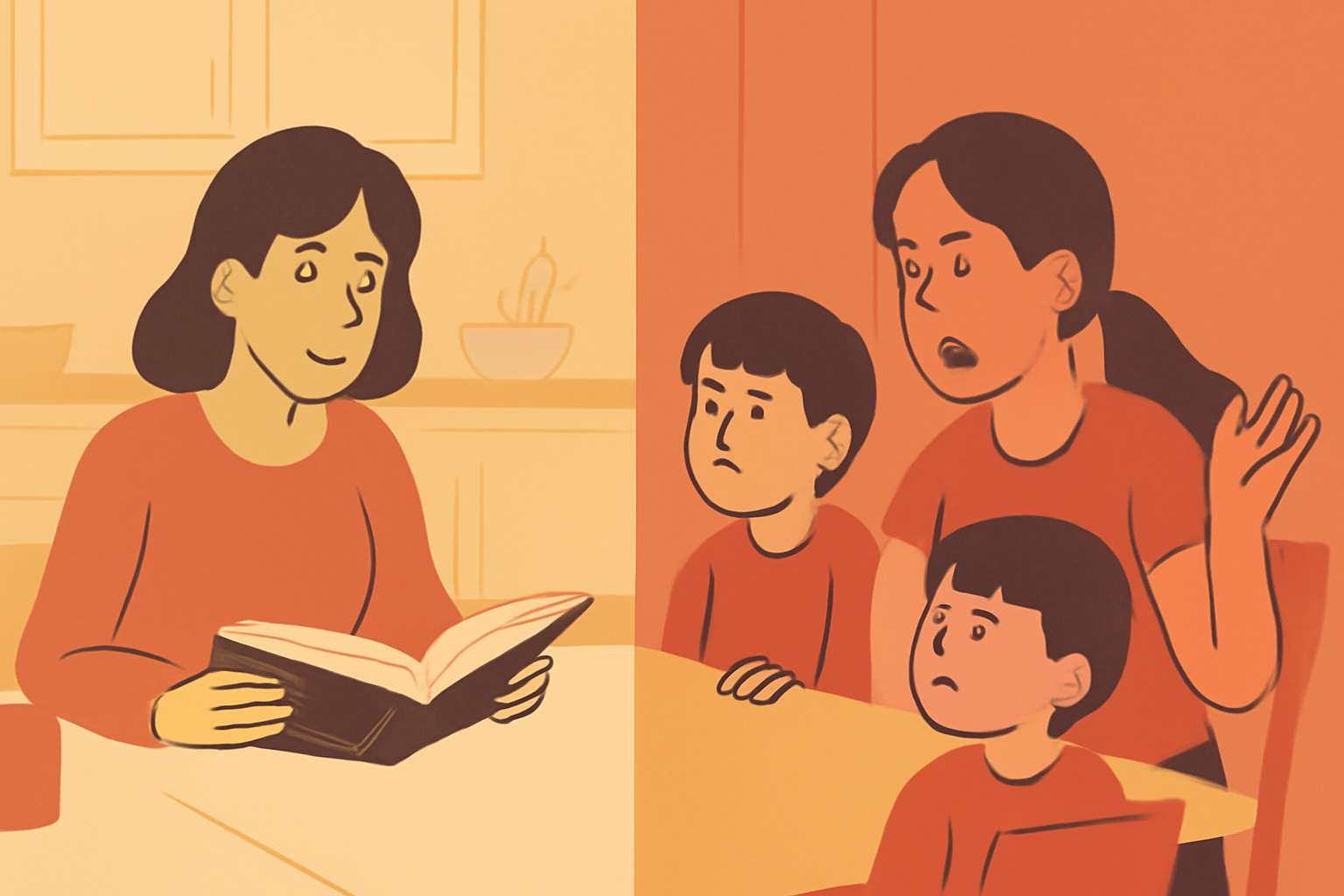
The Repetition Problem Nobody Warns You About When You Teach the Bible at Home
Home-based Bible teaching exposes a design flaw most curriculum hides: retention doesn't come from re-reading a story, it comes from making learners retrieve it after a gap. Here's what cognitive science says to change about how you plan a week at the kitchen table.

The Small Group That Fell Apart Because Nobody Owned the Questions
A women's small group lost four of nine members in one spring, and everyone blamed chemistry. The real failure happened three days earlier, when nobody took twenty minutes to own the discussion questions. Here's how to build that ownership into how you recruit and train leaders.

The Silence After a Discussion Question Isn't What You Think It Is
Silence after a discussion question isn't dead air to be filled. It's an adult brain doing real work, and most teachers kill it before it pays off. Here's the count that changed how I facilitate, and where it breaks down.

The Men's Group That Ran for Nine Years on a Study Nobody Bought
Churches keep trying to fix low male engagement by buying better material, and it mostly doesn't work. The real bottleneck in most men's groups isn't content quality. It's whether an ordinary, tired volunteer leader can stay consistent for two years straight.

The 8-Minute Rule Nobody Told You About in Youth Ministry
Most youth lessons fall apart at minute eight, not minute thirty. The fix isn't more energy or better games. It's redesigning where your lesson's seams fall and what cognitive task lives at each one.

Your Volunteers Aren't Quitting Over the Lessons. They're Quitting Over the Handoff.
Volunteer teachers rarely quit over weak lesson content. They quit over the chaotic gap between the person who planned Sunday morning and the person who has to execute it. Here's the one-page fix that quietly decided who stayed.

The Free Lesson That Cost Me a Whole Sunday
Free church curriculum isn't the problem. Treating "complete" as a claim you can trust is. Here's how I learned to spot the free lessons that will leave you stranded in front of the room at 9:15, and the two-hour math nobody actually does.

The Real Reason Youth Curriculum Ages Out in 18 Months
Youth curriculum doesn't expire because the Bible gets old. It expires because publishers weld trend-chasing packaging onto durable content and sell you the paint job again every year. Here's why that business model persists and what youth leaders should actually pay for.

The Recap Question Is Killing Your Adult Class
Opening class with "what did we cover last week?" feels like good teaching, but it means only one person actually retrieves anything. The fix is small, awkward, and backed by decades of memory research.
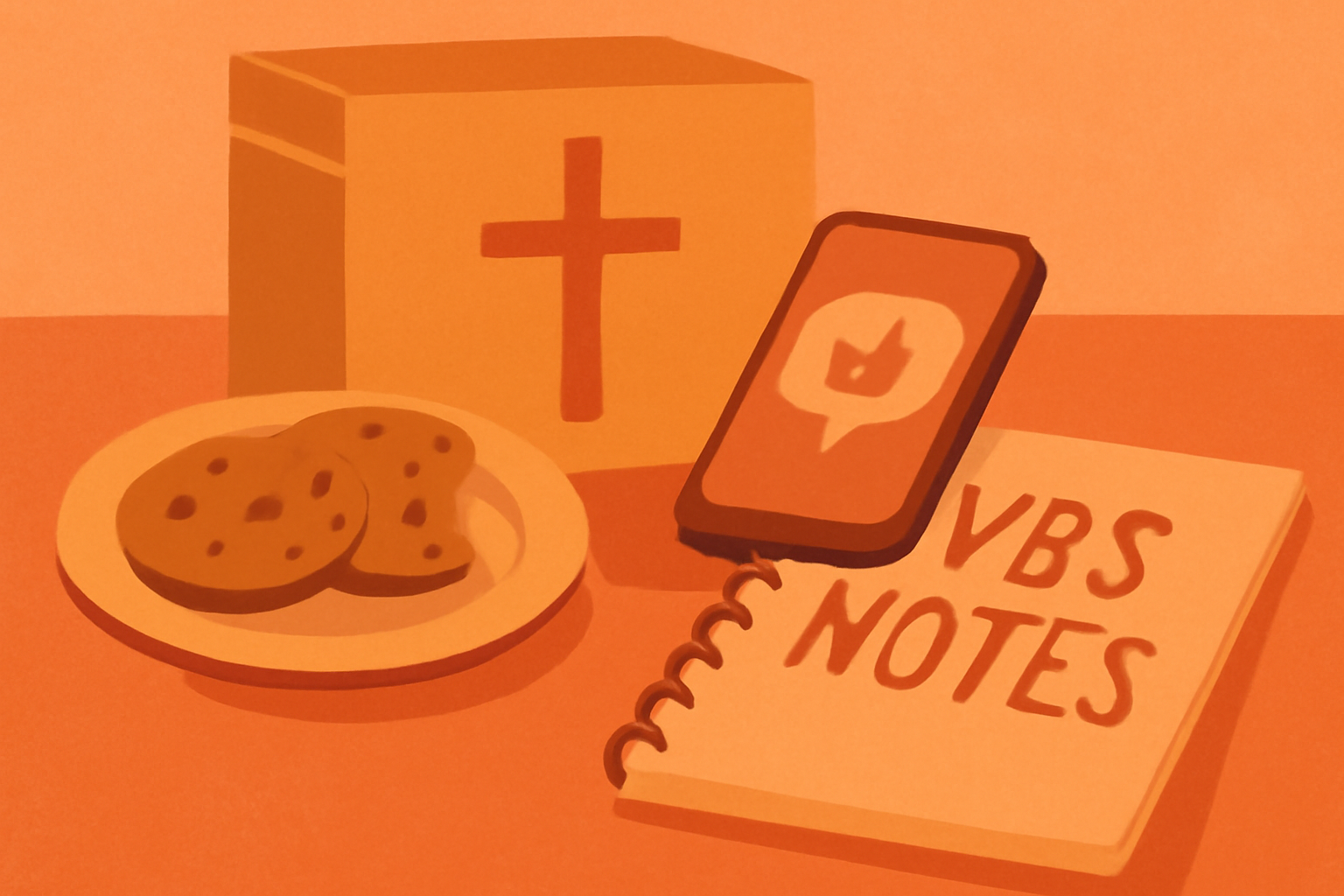
The VBS Debrief Nobody Runs (And Why Your Volunteers Won't Come Back)
The week of VBS isn't the hard part. The hard part is that almost every church loses everything they learned the moment it ends. Here's the 20-minute debrief that saved my volunteer retention more than any recruitment pitch.

The Snack Table Is the Most Honest Part of VBS
Most VBS plans obsess over content and ignore the transitions between stations, which is exactly where the week falls apart. The snack table is the most honest test of whether your timing and volunteer coverage actually hold up.

The Volunteer Curriculum Nobody Budgets For
Churches fund the curriculum box and forget the person teaching it. A look at why volunteer teachers become invisible, what actually supports them, and why the cheapest fixes are the ones churches skip most.

The Repetition You're Cutting Is the Part That Works
Teachers keep cutting the repetition from their lessons to make room for more content. From a learning design standpoint, that's exactly the part worth keeping. The repeated, spaced return to a single idea is usually the only thing that survives past Sunday.

The Curriculum Binder Nobody Could Find When You Got the Flu
The lesson plan you build for yourself is useless to the volunteer who covers your class the morning you wake up sick. Here's the difference between a curriculum and a lesson that can actually survive a handoff, and why most ministries only learn it the hard way.

The Closing Prayer Is Where Your Lesson Actually Falls Apart
Most teachers obsess over the hook and the activity, then improvise the closing every single week. But the last five minutes are the only part of the lesson a kid actually carries home. Here's why the ending is the real point, and how to build it first.

Most Churches Spend More on Coffee Than on the People Teaching Their Kids
Most church budgets quietly reveal that the people teaching the kids get whatever's left after the building and the coffee. That underinvestment doesn't produce a worse lesson on Sunday. It produces a collapsed ministry eighteen months later.
The Review Question That Tells You Nothing
The end-of-lesson review question almost every children's ministry lesson uses doesn't measure whether anything stuck. It measures echo. Here's the cognitive reason why, and the one structural change that turns review into something that actually tells you what your class retained.

The Volunteer Binder Nobody Updates Is Costing You Three Teachers a Year
Most Sunday school volunteers don't quit over commitment or kids. They quit because onboarding is a stale binder nobody updates. Here's what a new volunteer actually needs in their first 20 minutes, and why the lesson handoff is the part that breaks first.

The Closing Question Is Where Your Lesson Actually Lives or Dies
Most youth lessons don't fall apart in the teaching. They die in the last four minutes, on a closing question no teenager could answer out loud. Here's how to fix the question instead of blaming the kids.
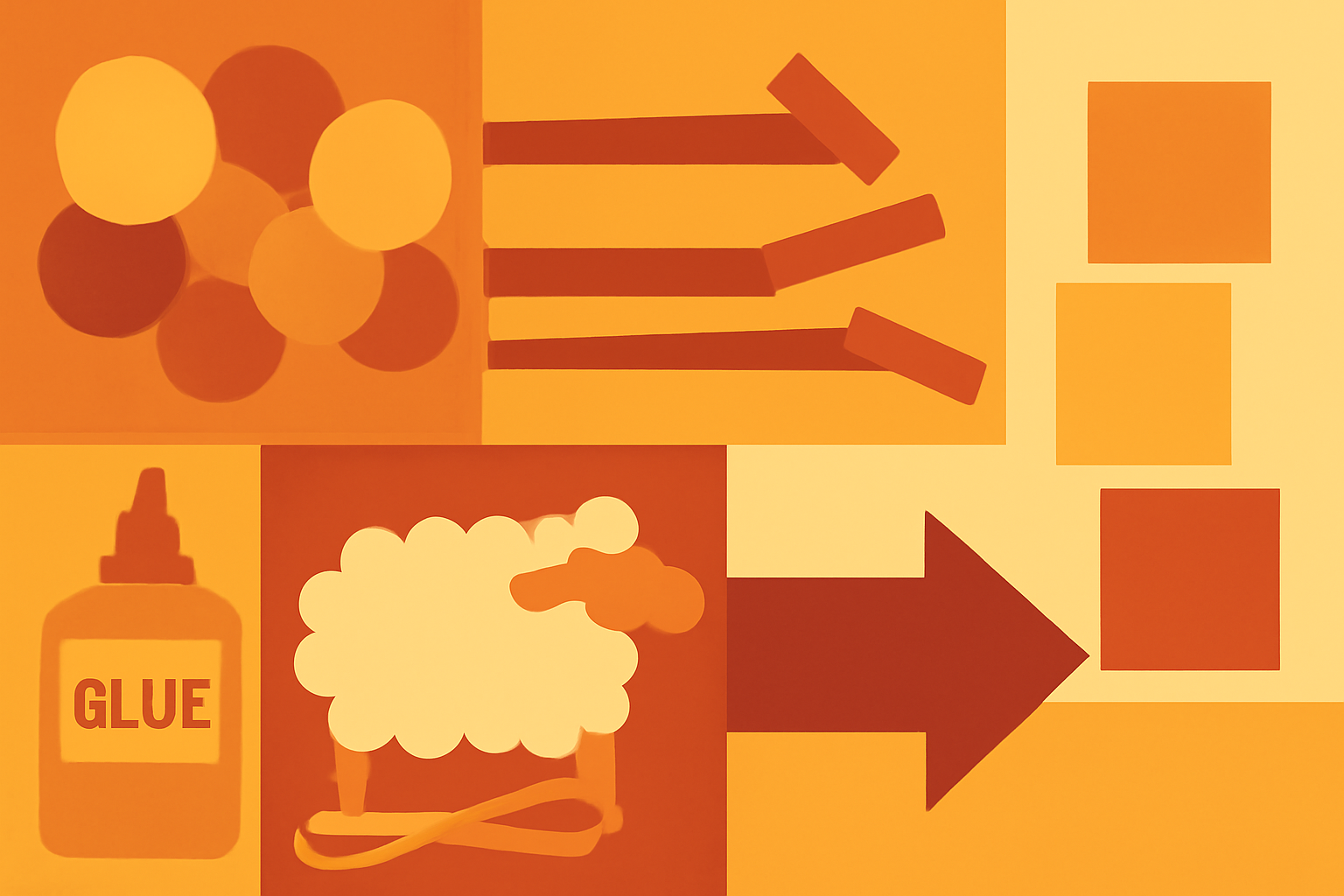
The Activity Was Never the Problem
Churches keep treating engagement like a volume problem, piling on more crafts and games when a lesson feels flat. The real issue is that most activities aren't tied to any actual learning outcome. Nathan Calloway on why the activity was never the thing that needed fixing.

The First Three Minutes Decide Whether Your Lesson Lands
Teachers pour their prep time into the middle of a lesson, but memory research says the opening is where retention is won or lost. Here's the design logic behind the first three minutes, and an honest take on when it breaks down.

When a Homeschool Co-op Asks You to Borrow the Children's Ministry Curriculum
When a homeschool family asks to borrow your Sunday school materials, forwarding the PDF isn't actually helping. Here's what church leaders miss about adapting curriculum for a living room on a Tuesday, and the one thing that helps more than the lesson itself.

The Worst Discussion Question I Ever Asked a Room of Teenagers
Most printed discussion questions ask kids to interpret, recall, and perform vulnerability all at once, with no on-ramp. Here's the three-question sequence that actually gets a quiet room talking, and the caveats nobody mentions in the leader guide.

Most Churches Spend More on Coffee Than on the People Teaching Their Kids
Churches fund hospitality and worship without blinking, then hand teachers a photocopied packet and hope the volunteers don't quit. The real cost of under-investing in teacher resources doesn't show up on the budget. It shows up eighteen months later when your best volunteer walks.

Why the Silence After Your Discussion Question Isn't What You Think
Teachers wait about a second and a half before bailing on a discussion question. The silence they're scared of is usually just people thinking. But longer wait time only pays off if you've built the trust underneath it, and that's a harder problem than the research admits.

The Volunteer Handoff Nobody Documents, and Why Your Best Teacher Quits Anyway
When a longtime volunteer quits, we reach for spiritual explanations. But most of the time the real culprit is the weekly handoff that nobody ever documented. Here's what actually breaks, and how church size changes the failure.

The Closing Question Is the One Teenagers Actually Remember
Most teen lessons front-load the big idea and tack a dead-on-arrival application question to the end. Here's why the closing question should be the uncomfortable one you've been holding in reserve, and how to build a whole lesson walking toward it.

Free Curriculum Is Never Actually Free, and Churches Pay for It in the Worst Currency
Churches obsess over the curriculum invoice and ignore the real cost: the hours teachers spend rewriting material that doesn't know their room. Free curriculum isn't free, paid isn't automatically good, and the only number that matters never shows up on the budget.
Guides & Templates
Sunday School Lesson Plan Template (Free, With Examples)
A simple, battle-tested Sunday school lesson plan template with a fill-in structure, timing guide, and a fully worked example you can adapt for your group.
How to Write a Sunday School Curriculum from Scratch (Step-by-Step)
A practical guide for teachers and ministry leaders on building a complete Sunday school curriculum — from choosing a topic to delivering the final session.
How to Plan a 6-Week Bible Study Series (That Actually Goes Somewhere)
A practical guide to planning a six-week small group or Sunday school Bible study — how to choose a topic, build the arc, and make sure the series lands.
AI Lesson Planning for Teachers: What Actually Works (and What Doesn't)
An honest look at using AI tools for curriculum and lesson planning — what they're genuinely good at, where they fall short, and how to get useful output instead of generic filler.
Ready to build your next curriculum?
PopLesson builds a complete lesson series from your topic and goals. Free to build, $3 to download.